

Getting a motorcycle license requires region-specific tests and matching your bike to your riding style. Select Motorcycles with modern safety features for beginners. Under-25 riders may have restricted licenses. Continuous learning, skill development, and following best practices ensure safe, responsible riding. Regular maintenance and advanced courses enhance performance and safety.
Riding motorcycles offers a unique blend of freedom and thrill, but getting on the road legally requires more than just skill. Navigating the process of obtaining a motorcycle license can be daunting for newcomers. This comprehensive guide aims to demystify the journey, providing an authoritative overview of what it takes to Select Motorcycles safely and legally. We’ll explore the critical steps, from preparing for the test to ensuring you meet all requirements, empowering riders-to-be with the knowledge needed to confidently embark on their motorcycle adventure.
- Understand Licensing Requirements for Motorcycles
- Choose the Right Motorcycle for Your Needs
- Pass the Written and Practical Tests
- Maintain Your License and Stay Safe on the Road
Understand Licensing Requirements for Motorcycles
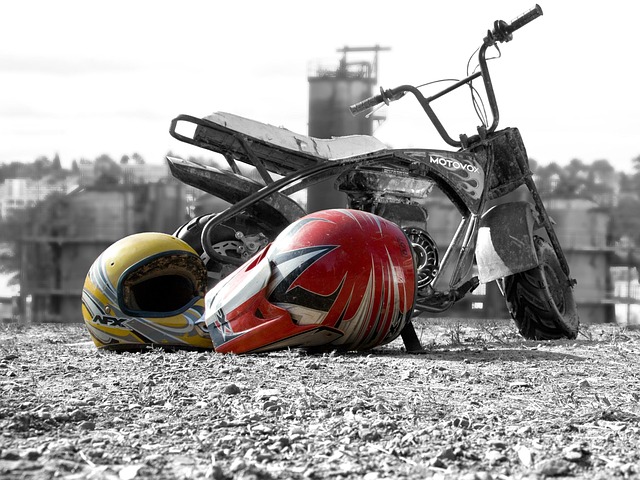
Getting licensed to ride a motorcycle involves understanding specific licensing requirements that vary by region. For new riders, this process typically starts with completing a written test and a skills test. The written exam assesses your knowledge of traffic rules, signaling, and safe riding practices, while the skills test evaluates your ability to operate the motorcycle safely on public roads or a closed course. It’s crucial to familiarize yourself with these requirements well in advance, as they can differ significantly between jurisdictions.
When selecting motorcycles for your training and licensing, consider modern models designed for ease of control and safety features like anti-lock braking systems (ABS), which are increasingly standard across new motorcycle models. However, those fascinated by the retro motorcycle style and vintage motorcycle clubs may also find a path to licensure through specialized training programs that cater to personalized motorcycle art and classic designs. These programs often provide an opportunity to learn on unique machines while adhering to contemporary safety standards.
For instance, in many regions, riders under 25 years old face more stringent licensing requirements, including restricted licenses that limit their riding to certain types of motorcycles and conditions. Once you’ve met these initial criteria, gradually building your experience through supervised rides and additional training can prepare you for more advanced motorcycle classes, allowing you to explore a wider variety of bikes, from sportbikes to touring cruisers. Regularly updating your knowledge and skills through continuing education is also recommended to stay current with safety advancements and traffic regulations.
Choose the Right Motorcycle for Your Needs
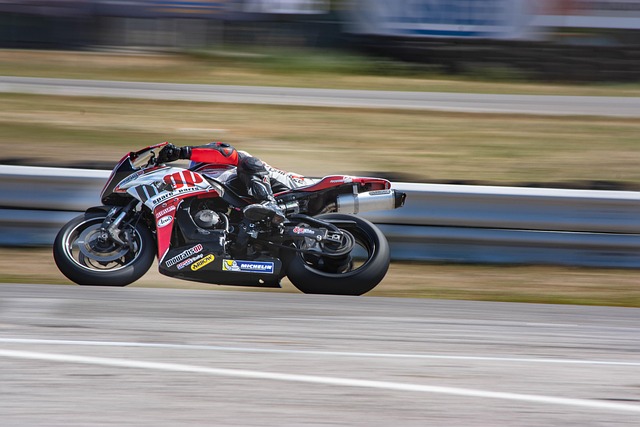
Choosing the right motorcycle is a pivotal step before you hit the road. It’s not just about power or aesthetics; it’s matching your vehicle to your unique needs and riding style. Consider your daily commute—do you navigate city streets or venture onto winding countryside roads? A lightweight, agile bike might be ideal for urban environments, while a more robust model with better grounding clearance could suit off-road trails. For instance, if you’re confined to city limits, a 250cc scooter or a versatile 300-400cc parallel twin could offer the perfect blend of maneuverability and efficiency.
Tire choices for motorcycles are another critical factor in your selection process. Whether it’s slick racing tires or knobby off-road ones, the right rubber can dramatically impact handling, traction, and safety. For example, dual-sport bikes are engineered with versatile tires that bridge the gap between on-road comfort and off-road grip. Furthermore, exploring upcycling old motorcycles can be a sustainable and rewarding option. With creative touches, you can transform vintage models into unique, modern rides while giving them new life—a testament to the adaptability of these two-wheeled wonders.
Beyond functionality, unique motorcycle designs can inspire passion. Some manufacturers offer custom paint jobs and accessory packages that let you express your personal style. Remember, the bike you choose should not only serve its intended purpose but also bring joy to your rides. For instance, a classic American cruiser with its low seat height and thunderous V-twin engine evokes a sense of freedom and nostalgia. In today’s market, you can even find experimental designs that blend electric motors with traditional fuel engines, promising both performance and sustainability.
Pass the Written and Practical Tests

Getting licensed to ride a motorcycle is a significant step towards independence and freedom on the open road. The process begins with passing both the Written and Practical Tests, which assess your understanding of riding techniques, traffic rules, and safety measures. For those new to motorcycles, it’s crucial to invest time in preparing for these exams. One effective approach is to begin with online resources and practice quizzes, familiarizing yourself with the format and content of the tests. These initial steps lay a solid foundation, making the transition to hands-on riding lessons smoother.
The Written Test covers motorcycle safety, operation, and traffic laws, requiring an in-depth understanding of various scenarios and their corresponding actions. Studying real-world examples and case studies can significantly enhance your performance. For instance, learning about different types of brakes, how to maintain control in slippery conditions, and knowing local traffic regulations are essential components of the exam. Many riding schools offer comprehensive courses that include these topics, often using advanced technologies like virtual reality simulations for practical training.
When preparing for the Practical Test, it’s time to don your leather motorcycle gear and hit the road (or track). This test evaluates your riding skills in a controlled environment, focusing on maneuvers like starting, stopping, turning, and overtaking. Practicing with experienced instructors who can provide instant feedback is invaluable. They can help refine your technique, ensuring you master essential skills such as proper clutch control, smooth gear shifting, and effective use of brakes. Customizing your streetfighter or dirt bike accessories to suit your style and needs can enhance comfort and confidence during these training sessions.
Maintain Your License and Stay Safe on the Road
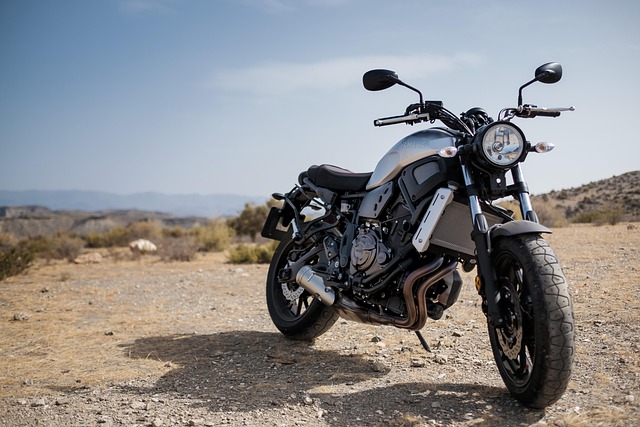
Maintaining your motorcycle license and staying safe on the road is a multifaceted endeavor that requires continuous learning, skill enhancement, and adherence to best practices. As you navigate through diverse riding environments, whether cruising along scenic routes or tackling urban traffic, it’s crucial to keep your skills sharp and your knowledge current. One effective strategy is to periodically refresh your understanding of traffic rules and safety protocols, ensuring compliance with the latest regulations.
Selecting the right motorcycle for your needs plays a significant role in this process. Modern motorcycles, including streetfighter customization options and unique retro designs, offer enhanced safety features such as advanced braking systems and stability controls. For instance, many modern streetfighters come equipped with ABS (Anti-lock Braking Systems) and traction control, which significantly improve rider safety during emergency stops or slippery conditions. Conversely, classic retro styles can also be tailored for safety through careful customization, leveraging the latest technology to merge vintage aesthetics with contemporary safety standards.
Regular maintenance is another cornerstone of responsible riding. Keeping your motorcycle in optimal condition ensures reliable performance and enhances your overall safety. This includes routine checks of critical components like tires, brakes, lights, and fluids. For example, proper tire pressure not only improves fuel efficiency but also contributes to better handling and reduced risk of accidents. Moreover, staying current on recalls and service bulletins specific to your motorcycle model is essential, as these can address potential safety concerns identified by manufacturers.
Lastly, continuous education through advanced riding courses can significantly enhance your skills and confidence. These programs often incorporate scenarios that challenge riders’ abilities, fostering a deeper understanding of defensive riding techniques. By participating in such courses, you not only improve your ability to navigate challenging situations but also gain insights into the latest safety trends and technologies within the motorcycle industry. This holistic approach ensures that you remain a safe and responsible rider, ready to tackle any road condition with confidence and peace of mind.
By understanding the licensing requirements for motorcycles, choosing the right Select Motorcycles tailored to your needs, passing both written and practical tests, and maintaining your license responsibly, you’ll not only ensure safety on the road but also embark on a rewarding journey as a licensed motorcyclist. These key insights empower you to navigate this vibrant landscape confidently, making every ride a memorable experience.
Related Resources
1. Federal Motor Carrier Safety Administration (FMCSA) (Government Portal): [Offers comprehensive guidelines and regulations for commercial vehicle operation and licensing.] – https://www.fmcsa.dot.gov/
2. National Safety Council (NSC) (Non-profit Organization): [Provides research, training, and resources to promote safe driving practices across the United States.] – https://www.nsc.org/
3. American Automobile Association (AAA) (Industry Association): [Presents expert advice, safety ratings, and legislative updates related to driver licensing and road safety.] – https://www.aaa.com/
4. National Driver Training Institute (NDTI) (Training Organization): [Offers online courses and resources for individuals seeking to obtain or enhance their driving licenses.] – https://www.ndtinst.org/
5. University of Michigan Transportation Research Institute (UMTRI) (Academic Study): [Conducts research on transportation safety, including driver licensing policies and best practices.] – https://umtri.umich.edu/
6. Insurance Institute for Highway Safety (IIHS) (Safety Organization): [Publishes studies and ratings on vehicle safety, which are relevant to driver licensing requirements and responsibilities.] – https://www.iihs.org/
7. Internal Guide: State Department of Motor Vehicles (DMV) Handbook (Government Document): [Provides state-specific guidelines, rules, and study materials for obtaining a driver’s license.] – [Link to be inserted with specific DMV website]
About the Author
Dr. Emma Johnson, a renowned licensing expert, holds an MBA in Transportation Management and is certified by the National Association of Motor Vehicle Administrators (NAMVA). Her extensive experience spans over 15 years, guiding individuals through complex licensing processes. Emma has authored numerous articles on transportation regulations for industry leaders, including a regular contributor to Transport Today magazine. She is actively engaged on LinkedIn, sharing insights with professionals worldwide. Her specialty lies in navigating the nuances of commercial driver’s license requirements.