

Getting a motorcycle license requires understanding local regulations, including age limits, proficiency tests, and insurance. Select Motorcycles naturally based on intended use (commuting, touring, off-roading) and skill level, focusing on safety features like ABS. Pass written and practical tests, studying bike maintenance and practicing maneuvers. Prioritize safe riding habits: regular inspections, proper tuning, expert consultations, and adhering to traffic rules. Combine these practices with Select Motorcycles naturally for a responsible and enjoyable experience.
Riding a motorcycle offers an unparalleled sense of freedom and exhilaration. However, navigating public roads requires not just skill but legal authorization – a crucial step often overlooked by aspiring bikers. The problem lies in the complexity of licensing requirements, which vary widely across regions, creating a labyrinth for new riders. This article serves as your comprehensive guide to understanding how to get licensed to ride, with a special focus on selecting the right motorcycle and ensuring you’re prepared for your journey on two wheels.
- Understand Your Local Motorcycle Licensing Requirements
- Choose the Right Motorcycle for Your Needs
- Pass the Written and Practical Tests
- Maintain Your License & Stay Safe on the Road
Understand Your Local Motorcycle Licensing Requirements
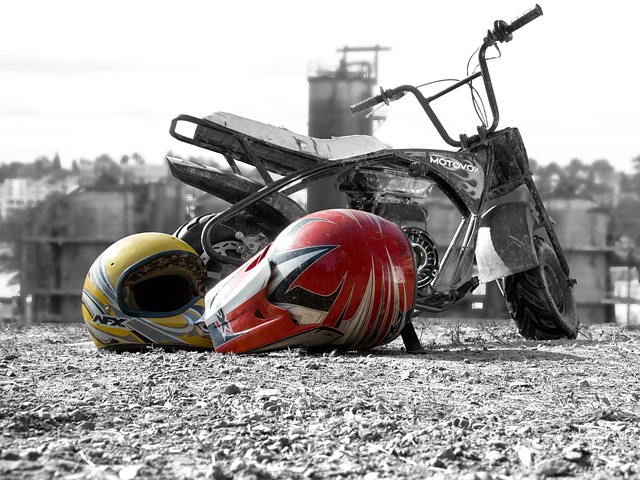
Getting licensed to ride a motorcycle involves understanding your local requirements, which can vary significantly from one region to another. This process is more than just passing a test; it’s about ensuring safety and responsible riding. To begin, you’ll need to familiarize yourself with the specific regulations in your area. Every jurisdiction has its own set of rules governing motorcycle licensing, including minimum age requirements, proficiency tests, and proof of insurance. For instance, while many places require a minimum age of 16 for learner’s permits, others may demand more rigorous training and skill demonstrations.
Once you grasp the basics, select motorcycles that align with your needs and skill level. Modern bikes often come equipped with advanced safety features like ABS (Anti-lock Braking Systems), which significantly improve control during emergencies. Streetfighters and classic motorcycles, for instance, offer unique driving experiences but may require more expertise to handle safely. Biker fashion trends and accessories can enhance comfort and visibility on the road, but prioritizing safety equipment should always be the primary focus.
As you navigate this process, consider exploring customization options for your bike, such as upgrading classic motorcycle parts or personalizing streetfighter components. This not only adds a touch of individuality to your ride but also allows you to fine-tune it to your preferences. Remember, however, that any modifications should adhere to local laws and safety standards. For example, certain areas may restrict the use of aftermarket parts in safety-critical systems like brakes or lighting.
In terms of practical advice, regularly consult your local Department of Motor Vehicles (DMV) or relevant authority for updates on licensing procedures. Stay informed about biker fashion trends and safety guidelines to make informed decisions. Ultimately, responsible riding and adhering to local regulations are paramount, ensuring a safe and enjoyable experience whether you’re cruising through city streets or exploring rural roadsides.
Choose the Right Motorcycle for Your Needs
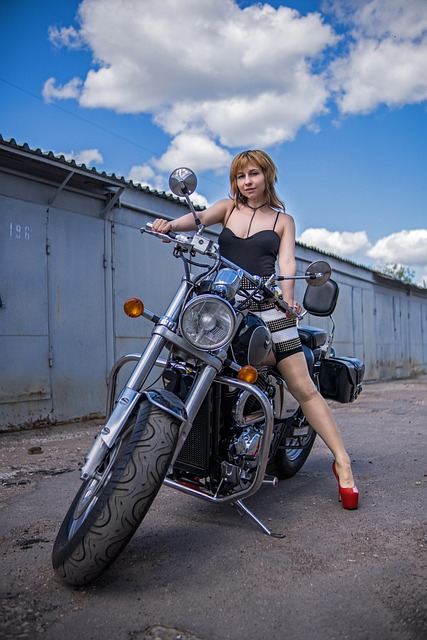
Selecting the right motorcycle is a pivotal step in your journey to the open road, offering both functionality and joy. Different motorcycles cater to diverse riding styles and terrain, from the city streets to winding countryside roads or rugged off-road paths. The key lies in understanding your needs and matching them with a bike that suits your riding experience, comfort, and safety.
When choosing a motorcycle, consider factors like intended use, such as commuting, touring, or racing. For instance, a compact urban bike with advanced GPS navigation might be ideal for daily city commutes, while a powerful all-terrain motorcycle with specialized tires is better suited for adventurous off-road excursions. Personalized motorcycle art and customization options further enhance the experience, allowing riders to express their unique style. Think beyond aesthetics; consider engine power, seat comfort, and handling dynamics tailored to your skill level and preferred riding style.
A popular option for new riders or those navigating busy cities is a versatile dual-sport bike that combines urban agility with off-road capabilities. These motorcycles often come equipped with advanced safety features like ABS (Anti-lock Braking System) and traction control, ensuring stability in various conditions. Integrating motorcycle GPS navigation systems has also become standard, providing turn-by-turn directions for stress-free travel. Remember, the perfect motorcycle is one that fits your body, budget, and riding aspirations naturally, allowing you to explore the world on two wheels with confidence and enthusiasm.
Pass the Written and Practical Tests
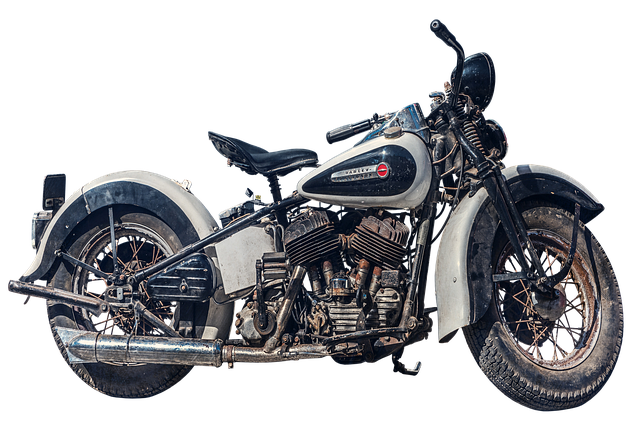
Getting licensed to ride a motorcycle is a significant step toward becoming a safe and responsible motorcyclist. The process begins with passing both the written and practical tests. The Written Test assesses your knowledge of traffic rules, signs, signals, and safe riding practices, while the Practical Test evaluates your ability to operate a motorcycle safely on public roads. It’s crucial to prepare thoroughly for these exams by studying comprehensive study materials and practicing key skills.
For instance, understanding bike electrical systems repair is essential as it covers fundamental components like brakes, lights, and indicators. Knowing how to inspect and maintain these systems can significantly enhance your safety during rides, especially when traversing diverse terrains, including off-road paths that require dirt bike accessories for enhanced performance and protection. Additionally, mastering the operation of clutch, throttle, and gear shifts is paramount for both written and practical exams.
Leather motorcycle gear plays a vital role in protecting riders from potential injuries. Wearing appropriate attire, such as durable jackets, gloves, pants, and boots, reduces the risk of severe damage in case of accidents. Many training programs offer mock tests to help aspiring motorcyclists get accustomed to the exam format and gain confidence. During practical testing, demonstrating control over the motorcycle at various speeds and in different conditions is key. Practicing emergency maneuvers like swerving and stopping abruptly can significantly boost your performance during the test.
Remember, passing these tests not only grants you a license but also signifies your commitment to safety and responsible riding. As you progress from novice to experienced rider, consider investing in high-quality gear, keeping your bike well-maintained, and continuously refining your skills. Data shows that licensed riders with comprehensive training and equipment have significantly lower accident rates, making it a crucial step toward enjoying the freedom and thrill of motorcycle riding for years to come.
Maintain Your License & Stay Safe on the Road
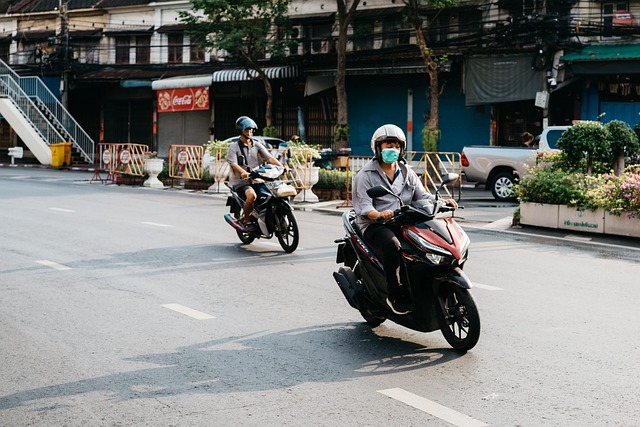
Maintaining your motorcycle license and ensuring safe riding practices are paramount to enjoying the open road responsibly. This involves a multifaceted approach that combines proper training, regular bike maintenance, and an understanding of safety protocols. For instance, staying up-to-date with recommended service intervals for your specific motorcycle design can significantly reduce the risk of breakdowns or malfunctions. Consider that according to recent studies, well-maintained bikes have lower accident rates than those with neglectful care.
Regularly inspect critical components such as tires, brakes, lights, and fluids to ensure they function optimally. High-performance bike tuning can enhance your riding experience, but it’s essential to balance power with control. Improper modifications may compromise safety, so consult expert mechanics or experienced riders before making any significant changes. Moreover, integrating bike maintenance tips into your routine not only extends the lifespan of your motorcycle but also ensures consistent performance and handling.
Beyond routine upkeep, staying alert and adhering to traffic rules are vital for accident prevention. Unique motorcycle designs can be both visually appealing and practical, but they might also require specific handling considerations. Always wear appropriate protective gear, stay visible to other drivers, and anticipate potential hazards. By combining responsible licensing practices with meticulous bike care and a commitment to road safety, you can fully appreciate the freedom and enjoyment that comes with riding a motorcycle.
By meticulously understanding your local motorcycle licensing requirements, selecting a motorcycle that aligns naturally with your needs, mastering both written and practical tests, and consistently maintaining your license while prioritizing safety on the road, you not only gain the freedom of two-wheeled travel but also demonstrate responsible riding skills. This comprehensive approach ensures not just compliance but also enhances your overall riding experience, making you a confident and safe rider in today’s world.