

Before choosing a motorcycle riding school, research online using keywords like "Select Motorcycles" to compare offerings, qualifications, and student reviews. Focus on specialized learning areas, location, class size, and motorcycle types aligned with your skill level and interests. Verify instructor certifications, consider unique motorcycle designs, and assess training methods combining practical and theoretical instruction. Look for a course structure starting with basic handling, covering theory and practice, and offering various bike types to enhance learning. Read student reviews for insights on instruction quality, safety, facilities, and services. Compare schools based on instruction, curriculum, cost, and packages, ensuring comprehensive training aligns with your budget and goals.
Looking to embark on your motorcycle riding journey? Finding the right school is crucial. This guide helps you navigate the process by focusing on key aspects like research local riding schools, verifying instructor certifications, understanding training methods, evaluating course structures, reading student reviews, and comparing costs. Remember that the right school and course can transform your learning experience, so choose wisely when selecting motorcycles for your training.
- Research Local Riding Schools
- Check Instructor Certifications
- Evaluate Training Methods
- Consider Course Structure
- Read Student Reviews
- Compare Costs and Packages
Research Local Riding Schools

Before you start your motorcycle riding journey, it’s crucial to Research Local Riding Schools. This step is key to ensuring you find a school that aligns with your learning needs and preferences. Begin by searching online for schools in your area, using keywords like “Select Motorcycles” to narrow down your options. Once you have a list, take the time to explore their offerings, qualifications, and student reviews.
Many reputable schools also provide insights into specialized areas such as off-road motorcycle upgrades, electrical safety for bikes, and bike maintenance tips. These additional services can significantly enhance your learning experience, equipping you with not just riding skills but also a comprehensive understanding of motorcycle care. Consider the location, class sizes, and the types of motorcycles they offer to match your skill level and interests.
Check Instructor Certifications

When searching for a motorcycle riding school, one crucial step is to check the instructor certifications. This is paramount as it ensures that your instructors are properly trained and qualified to teach you safe riding techniques. Look for schools that mandate their instructors to be certified by recognized national or international bodies. These certifications often come with ongoing training requirements, ensuring your teachers stay updated with the latest safety standards and riding practices.
Additionally, consider the types of motorcycles the school offers for selection. Opting for a school that provides a range of bikes, from standard roadsters to off-road dirt bikes, allows you to choose what suits your interests or goals best. Some schools even cater to specific needs with unique motorcycle designs and luggage storage solutions. Moreover, checking if they offer equipment and accessories like dirt bike accessories can enhance your overall experience and readiness for the open road.
Evaluate Training Methods

When evaluating motorcycle riding schools, it’s crucial to assess their training methods. Look for schools that prioritize both practical and theoretical instruction. Observe if they encourage students to select motorcycles suited to their skill levels and preferences, as this can significantly impact learning outcomes. Some schools might offer a range of bike options, from sportbikes to cruisers, catering to different rider needs. This flexibility ensures students learn on vehicles they’re likely to choose in the future, fostering more natural and safe riding habits.
Furthermore, pay attention to safety aspects beyond tire choices for motorcycles. Reputable schools should emphasize electrical safety for bikes, ensuring students understand how to maintain and operate their motorcycles safely. They should also provide guidance on luggage storage solutions, a practical concern for many riders. Adequate training in these areas equips students with the knowledge and skills to handle various riding scenarios confidently and securely.
Consider Course Structure
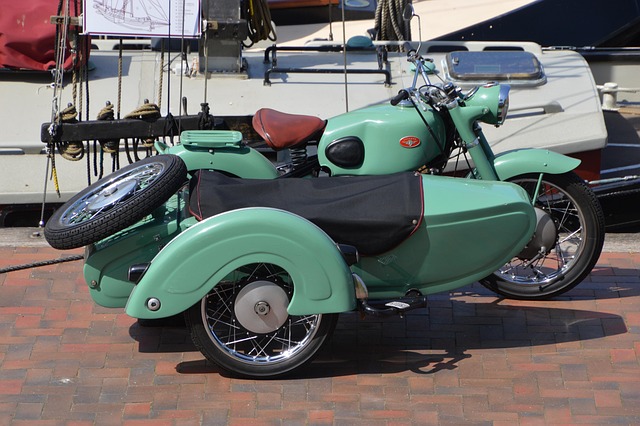
When exploring motorcycle riding schools, it’s crucial to consider the course structure. Look for schools that offer comprehensive training covering both theoretical knowledge and practical skills. The ideal program should start with basic handling, teaching students how to control their bike at low speeds in a controlled environment. This foundation is essential before advancing to higher-speed maneuvers and complex terrain.
Additionally, pay attention to the types of motorcycles used in training. Some schools specialize in specific styles like street bikes or dirt bikes, offering tailored experiences. Select schools that provide an opportunity to handle different bike types, allowing you to gain versatile skills. Remember, the right course structure, coupled with experienced instructors and a variety of select motorcycles, can significantly enhance your learning experience and bikergainful parts marketplace accessibility down the line, even encouraging you to modify motorcycle frames according to your preferences.
Read Student Reviews

Before enrolling in a motorcycle riding school, take some time to read student reviews. These firsthand accounts offer valuable insights into the quality of instruction, safety measures, and overall experience provided by different schools. Look for reviews that mention specific aspects like instructor expertise, course curriculum, and any additional services offered.
Many students also share their thoughts on the facilities, including accommodation options, equipment availability, and even unique features like luggage storage solutions or diy motorcycle projects. Reading these reviews can help you make an informed decision, ensuring you choose a school that aligns with your needs and expectations, whether it’s for learning to ride or appreciating unique motorcycle designs.
Compare Costs and Packages
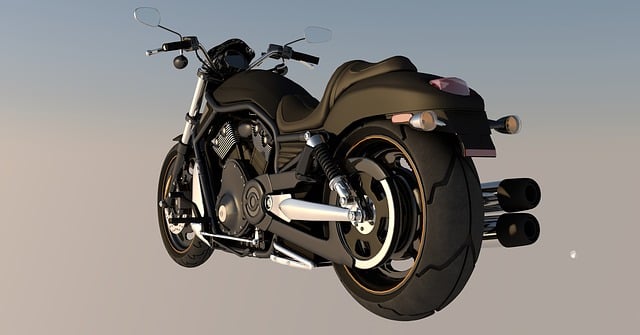
When comparing motorcycle riding schools, it’s crucial to look beyond the allure of their locations or celebrity endorsements. The true measure of a school lies in its instruction quality and curriculum—but that’s not all. You also need to consider the costs and packages on offer. Some schools might include comprehensive training, including safety courses, advanced driving techniques, and even maintenance workshops. Others may offer specialized tracks for off-road or racing enthusiasts, featuring lessons on navigating all-terrain motorcycle tires.
Beyond the educational aspect, evaluating expenses is essential. Compare the price of tuition fees, which can vary widely depending on the school’s reputation, location, and the type of motorcycles they use—from standard roadsters to sportbikes. Don’t forget to inquire about additional costs for gear, such as helmets, gloves, and protective clothing, as well as motorcycle insurance options and regular tire pressure maintenance (refer to our helpful motorcycle tire pressure guide). Understanding these factors will help you make an informed decision that aligns with your budget and learning goals.
When selecting a motorcycle riding school, thoroughly research local options by checking instructor certifications, evaluating training methods, considering course structures, reading student reviews, and comparing costs. This meticulous approach ensures you find a reputable school that aligns with your learning needs and helps prepare you for the road ahead. Remember, the right fit can make all the difference in your motorcycle education, so take your time to choose wisely among the various available options.