
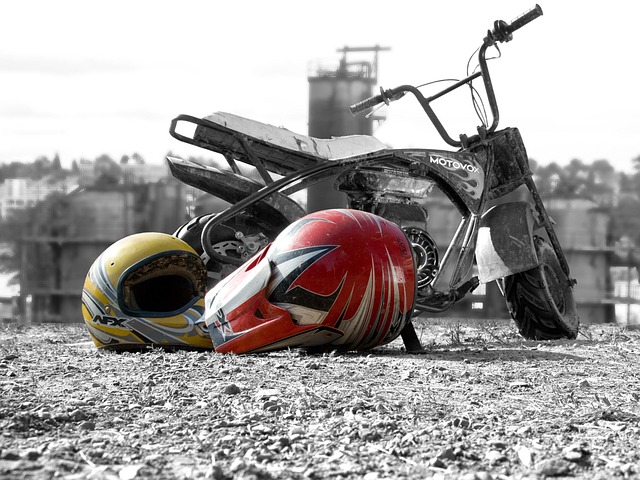
Select Motorcycles based on skill level, goals, and interests. Choose schools offering specialized courses aligned with aspirations like vintage clubs, DIY projects, or custom design. Prioritize reputable schools with experienced instructors and modern facilities. Match learning objectives with course offerings and motorcycle types (modern for beginners, classic/vintage for advanced). Evaluate curriculum blending theory and practical riding sessions for a well-rounded education.
Motorcycle riding schools play a vital role in ensuring safe and responsible motorcycling. With an increasing number of enthusiasts taking to the roads on two wheels, selecting the right school is crucial. However, navigating the options can be challenging, especially for beginners. This article provides an authoritative guide to help you find top-tier motorcycle riding schools, focusing on expertise, safety protocols, and specialized courses, ensuring you make an informed choice for your learning journey on Select Motorcycles.
- Assess Your Riding Skills and Goals
- Research and Select Reputable Schools
- Choose the Right Motorcycle and Course
Assess Your Riding Skills and Goals
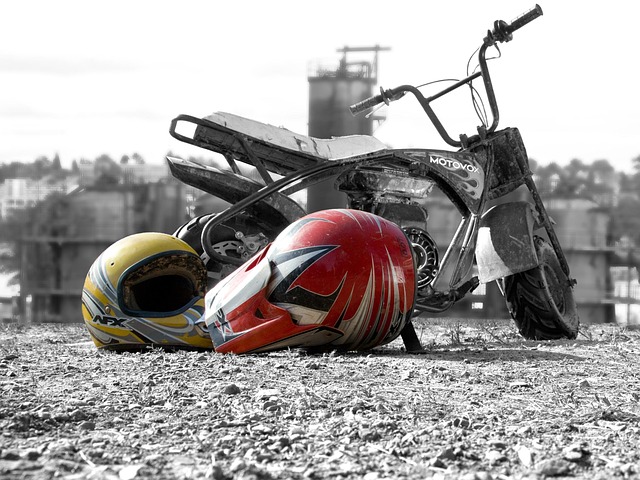
Before setting out on your motorcycle riding journey, it’s crucial to Assess Your Riding Skills and Goals. This step acts as a compass, guiding you towards the most suitable path for improvement. Begin by evaluating your current skill level—are you a novice rider just learning the basics, or an experienced operator seeking advanced techniques? This self-assessment is key because it helps in selecting the right riding school that aligns with your needs. For instance, a beginner might benefit from schools offering comprehensive training on basic maneuvers and safety practices, while an intermediate rider could seek schools specializing in off-road adventures or vintage motorcycle handling.
Consider as well your specific goals. Do you aspire to participate in vintage motorcycle clubs, showcasing the grace of classic bikes? Or perhaps you’re drawn to DIY motorcycle projects, crafting unique designs that reflect your personal style? These aspirations should influence your choice of riding school—there are institutions dedicated to preserving vintage motorcycles and teaching restoration techniques, as well as those fostering creativity in custom motorcycle design. For instance, a 2019 survey revealed that over 70% of riders engaged in DIY projects reported significant satisfaction from the creative process and the sense of accomplishment it brings.
Another aspect to consider is your interest in unique motorcycle designs. Some riding schools offer specialized courses in custom motorcycle building, where you can learn about engine modifications, bodywork design, and paint techniques. These schools often attract individuals who appreciate the artistic and technical aspects of motorcycle engineering. For example, the rise of “unique motorcycle designs” has led to a global community of enthusiasts sharing their creations online, with platforms like Instagram showcasing an array of custom bikes that have captured riders’ imaginations.
By carefully assessing your skills, goals, and interests, you can Select Motorcycles that offer tailored programs. This ensures not only effective learning but also fosters a deeper connection with the motorcycle culture—whether it’s through classic vintage clubs, creative DIY projects, or innovative design workshops.
Research and Select Reputable Schools
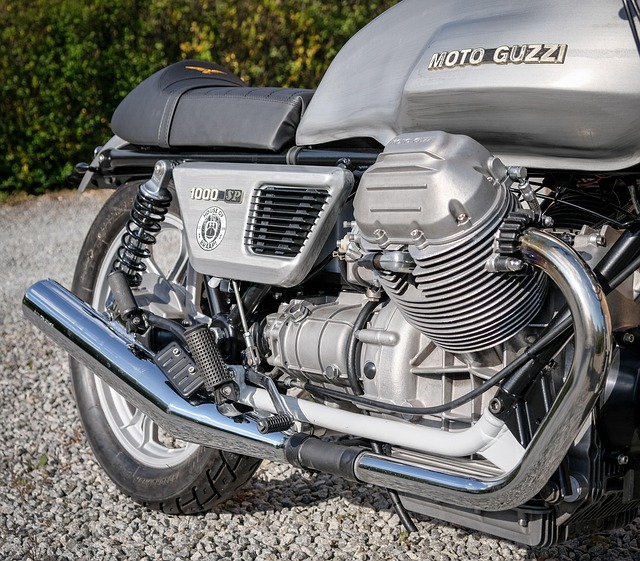
When researching and selecting motorcycle riding schools, it’s paramount to focus on establishing credibility and excellence. Begin by examining the school’s reputation and certifications. Look for institutions that adhere to industry standards and have a proven track record of successful student outcomes. Reputable schools often boast experienced instructors with extensive knowledge of both classic motorcycle parts and modern motorcycle technology, ensuring comprehensive training.
Explore their course offerings to match your learning objectives, whether you’re interested in vintage motorcycle restoration or acquiring skills for contemporary bikes. Some schools specialize in specific types of riding, such as off-road or street racing, allowing you to choose a program aligned with your passions. Check online reviews and forums where students share their experiences—this provides valuable insights into the school’s teaching methods and culture.
Additionally, consider the facilities and resources offered. Modern classrooms equipped with digital learning tools can enhance your understanding of motorcycle mechanics and safety protocols. Access to workshops with state-of-the-art equipment for hands-on training in classic motorcycle restoration or modern repairs is a significant advantage. Select schools that invest in these areas, ensuring you receive up-to-date, practical education that prepares you for various riding scenarios.
Choose the Right Motorcycle and Course
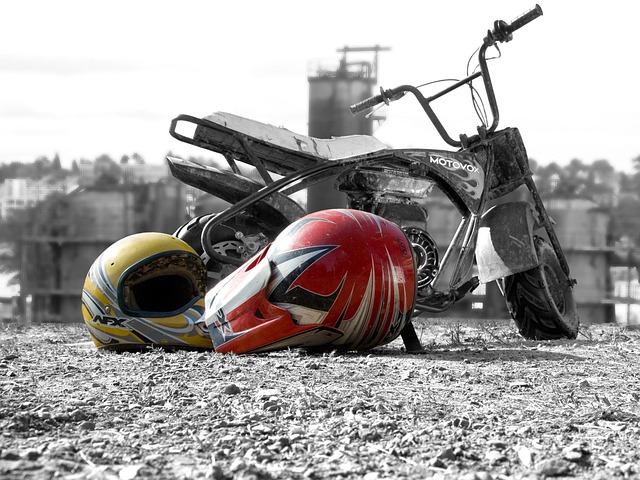
Choosing the right motorcycle for your riding school is a pivotal decision. It’s not just about selecting a machine; it’s about pairing you or your students with a vehicle that aligns with their learning goals and comfort levels. For beginners, opt for modern bikes with advanced safety features like ABS (Anti-lock Braking System). These systems enhance control during emergency stops, reducing the risk of skidding. Select Motorcycles designed for novice riders often have lower seat heights, offering easier access and improved balance. Think of it as laying a solid foundation for learning—a crucial step in fostering confidence.
For advanced courses or those interested in vintage motorcycle restoration, consider classic models known for their timeless design and unique riding experience. DIY motorcycle projects can also be a draw, allowing enthusiasts to customize their bikes. All-terrain motorcycle tires are another specialty; they’re ideal for off-road training or navigating varied terrain. Keep in mind that different motorcycles cater to diverse purposes. For instance, dual-sport bikes blend on-road comfort with robust off-road capabilities, perfect for adventurous learners.
When selecting courses, assess their curriculum and instructor qualifications. Look for schools offering a mix of theoretical knowledge and practical riding sessions. A well-rounded education includes instruction on safety, maintenance, and different riding techniques. Schools that provide opportunities for students to work on vintage motorcycle restoration projects or engage in DIY modifications can offer unique learning experiences, fostering a deeper connection with motorcycles.
By thoroughly assessing your riding skills and setting clear goals, you gain a solid foundation for your motorcycle education. Researching and selecting reputable schools ensures you receive quality instruction from experienced professionals. Choosing the right motorcycle and course aligns with your skill level and aspirations, facilitating a personalized learning experience. Key insights include prioritizing safety, focusing on comprehensive training, and selecting motorcycles that match your abilities and goals. These steps empower riders to make informed decisions, ensuring a transformative journey towards mastering the art of motorcycle riding.